Unpaid final paycheck
**If your employer has not given you your last paycheck, do not ignore it.** You may have rights under federal or state law, and deadlines can apply, so it may help to [get matched for a free consultation](/get-matched/) with a licensed employment attorney as soon as you can.
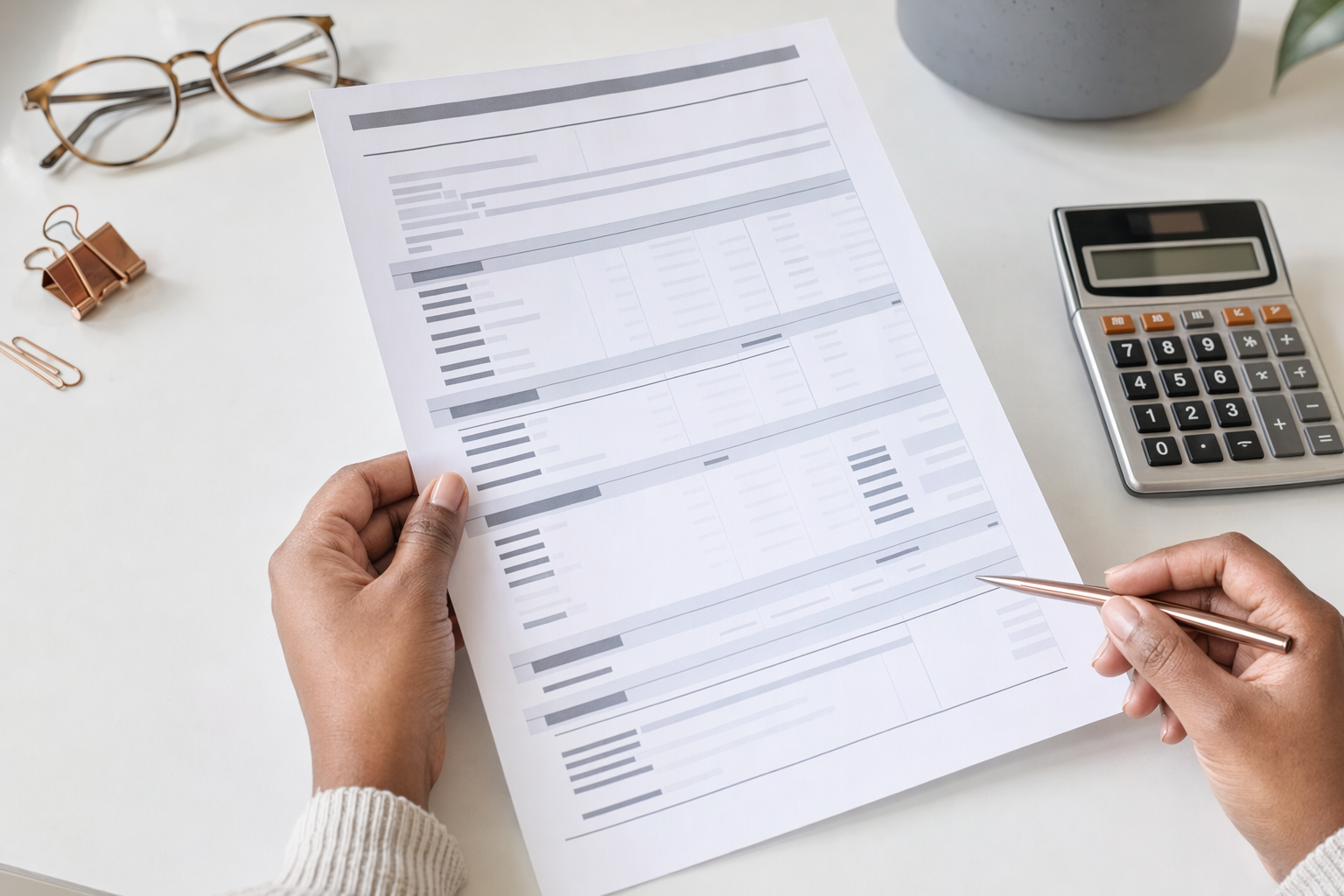
What you can do right now if your final paycheck is missing
Start by writing down the basics: your last day worked, your usual pay rate, how many hours you worked in your final pay period, and whether you are missing wages, overtime, commissions, tips, or paid time off. Keep copies of schedules, time records, pay stubs, texts, emails, and anything that shows what you were supposed to be paid.
Next, ask your employer in writing when you will be paid. A short text or email can help create a record. Stay calm and factual.
If the money still does not come, you may want to speak with a licensed employment attorney. WorkRightMatch is not a law firm and is not your lawyer. We provide general educational information and a free way to get matched with an independent attorney who may be able to review your situation.
What counts as an unpaid final paycheck
A final paycheck is the money an employer still owes you after your job ends, whether you quit, were laid off, or were fired. In some situations, the dispute is not just about the last check itself. It may also include unpaid overtime, off-the-clock work, illegal deductions, withheld tips, bonuses you already earned, or commissions that should have been paid.
State law often controls when the final paycheck must be paid. In some states, fired workers must be paid very quickly. In others, payment may be due by the next regular payday. The rules vary, so confirm with an attorney what applies where you worked.
Unused vacation or PTO is another common issue. Some states require payout in certain situations, while others do not. Company policy can matter too. You can learn more about worker protections on our rights page and in our guides.
Warning signs your employer may be violating wage laws
Some problems are obvious, like getting no final check at all. Others are harder to spot. Warning signs can include:
- Your employer says you must return equipment before they will pay you
- Your last pay is delayed for no clear reason
- The paycheck is missing overtime, tips, commissions, or hours you worked
- The employer made deductions you did not expect
- You were paid in cash before, but now the employer is avoiding you
- The employer says you quit "without notice" so they do not have to pay right away
In many cases, an employer still has to pay for work already performed, even if they are upset, say you broke a rule, or claim paperwork is incomplete. At-will employment is the general rule in the US, but it does not usually let an employer keep wages you already earned. Because facts matter, talk with a licensed attorney about your specific situation.
Your rights may still apply even if you are low-wage, paid in cash, or an immigrant
Many workers worry that they cannot speak up because they were paid off the books, have limited English, or are new to the US. But workplace rights often apply regardless of immigration status. If this is your situation, you may still have wage rights, and it may still be worth talking to a lawyer.
This is especially common in restaurants, cleaning, construction, home care, warehouses, and other low-wage jobs. If you were underpaid, denied tips, or not paid at the end of your job, you are not alone.
You can read more at workplace rights for immigrant workers, rights for low-wage workers, and non-English-speaking workers. WorkRightMatch is free to workers, and many employment attorneys handle wage cases on contingency or offer a free consultation. Any attorney fees would be agreed to directly with the attorney.
How to protect yourself and prepare to talk to a lawyer
Try to gather a simple timeline. Include when you started, when your job ended, what your normal pay schedule was, and when you should have received your last check. If you know the amount you are missing, write that down too.
Helpful records may include:
- Pay stubs or direct deposit records
- Screenshots of timekeeping apps
- Work schedules
- Text messages with supervisors
- Offer letters or pay agreements
- Tip records or commission statements
- Notes about when you asked for payment
You do not need to prove everything perfectly before asking for help. A licensed employment attorney may be able to tell you what records matter most, what deadlines may apply, and whether filing a wage claim or taking other action could make sense. If you want to take the next step, get matched here.
Why acting quickly matters
Wage claims have deadlines, and the time limit can vary by state and by the type of claim. Some related claims have short deadlines, so it is smart not to wait. The longer you delay, the harder it can be to find records, witnesses, and clear proof.
If you are dealing with an unpaid final paycheck, getting general information early can help you avoid mistakes. You can also read our guide on unpaid final paycheck and check other resources in our guides.
WorkRightMatch is a free attorney-matching and educational service, not a law firm. We do not give legal advice, but we can help you request a free consultation with an independent, licensed employment attorney.
If your final paycheck is missing, act quickly, keep records, and ask for payment in writing. You may have legal rights, and WorkRightMatch can help you get matched for a free consultation with a licensed employment attorney.